Most East Yorkshire households with a well-sized solar PV system save between £500 and £1,200 or more per year, depending on system size, energy use and prices. Adding battery storage usually increases savings further, and the Smart Export Guarantee pays you for the electricity you export.
"Will it actually pay for itself?" is the first question almost every homeowner asks about solar, and it is the right one. The honest answer is that it depends on your home, your roof and how you use electricity, but the range is well understood. Most East Yorkshire households with a properly sized solar PV system save somewhere between £500 and £1,200 or more per year, and the factors that decide where you land in that range are all things you can check before you spend a penny.
What Typical Savings Look Like
Solar savings come from two places. The first is the electricity you no longer buy: every unit your panels generate and you use directly is a unit you are not paying your supplier for. The second is the electricity you sell: units you generate but do not use are exported to the grid, and you can be paid for them through the Smart Export Guarantee.
Put the two together and a well-sized system on a typical East Yorkshire home lands in that £500 to £1,200 or more per year range. Households with higher electricity use, a battery, or both tend to sit towards the top of the range, because more of the power the panels generate ends up doing useful work in the home rather than being exported at a lower rate.
It is also worth remembering that savings are not fixed. Because solar offsets electricity you would otherwise buy, the value of every unit your system generates rises whenever energy prices do.
What Affects Your Savings
No two homes save exactly the same amount. These are the four factors that matter most.
- System size: More panels generate more electricity. The right size is the largest system your roof and budget sensibly allow, matched against how much power your household actually uses.
- Roof orientation and shading: South-facing roofs generate the most over a year, but east and west facing roofs still perform well, and an east-west split spreads generation across morning and evening when you are more likely to be home. Nearby trees, chimneys and dormers can shade panels, so a proper survey matters.
- Usage patterns: Solar generates during the day. If someone is home using appliances while the sun is up, you use more of your own power directly and save more. If the house is empty until evening, more power is exported unless you add a battery.
- Energy prices: The more you pay per unit, the more each self-generated unit is worth. Higher tariffs mean bigger savings from the same system.
How Battery Storage Changes the Numbers
A battery stores the daytime generation you would otherwise export and lets you use it in the evening, when most households use the bulk of their electricity. Instead of selling that power to the grid at export rates and buying it back later at full price, you keep it.
For working households that are out during the day, this is usually the single biggest lever on savings, which is why battery storage options are part of most of the systems we design. Batteries add to the upfront cost, so the right question is whether the extra saving justifies the extra spend for your usage pattern. We cover that decision in detail in our battery storage guide, linked at the bottom of this article.
Wondering What Your Roof Could Save?
Call Current Contractors Renewables on 07805 403775. We provide free surveys and personalised savings estimates across East Yorkshire and Lincolnshire.
Call for a Free QuoteGetting Paid to Export: The Smart Export Guarantee
The Smart Export Guarantee (SEG) is the scheme that requires larger energy suppliers to pay you for the electricity your solar system exports to the grid. Rates vary between suppliers and tariffs, so it pays to compare, and you do not have to take your export tariff from the same supplier you buy from.
SEG payments will not usually be the biggest part of your savings. Using your own power directly is almost always worth more than exporting it. But for the units you genuinely cannot use, SEG turns them into income rather than letting them go for nothing, and it is part of the free savings estimate we prepare for every customer.
A Worked Example: The Typical 4kW System
A standard 4kW home system supplied and fitted typically costs between £5,500 and £8,500, depending on the panels chosen, the complexity of the roof and whether battery storage is included. Installation usually takes 1 to 3 days, and most domestic installations in East Riding of Yorkshire and Lincolnshire fall under permitted development, so planning permission is not normally needed.
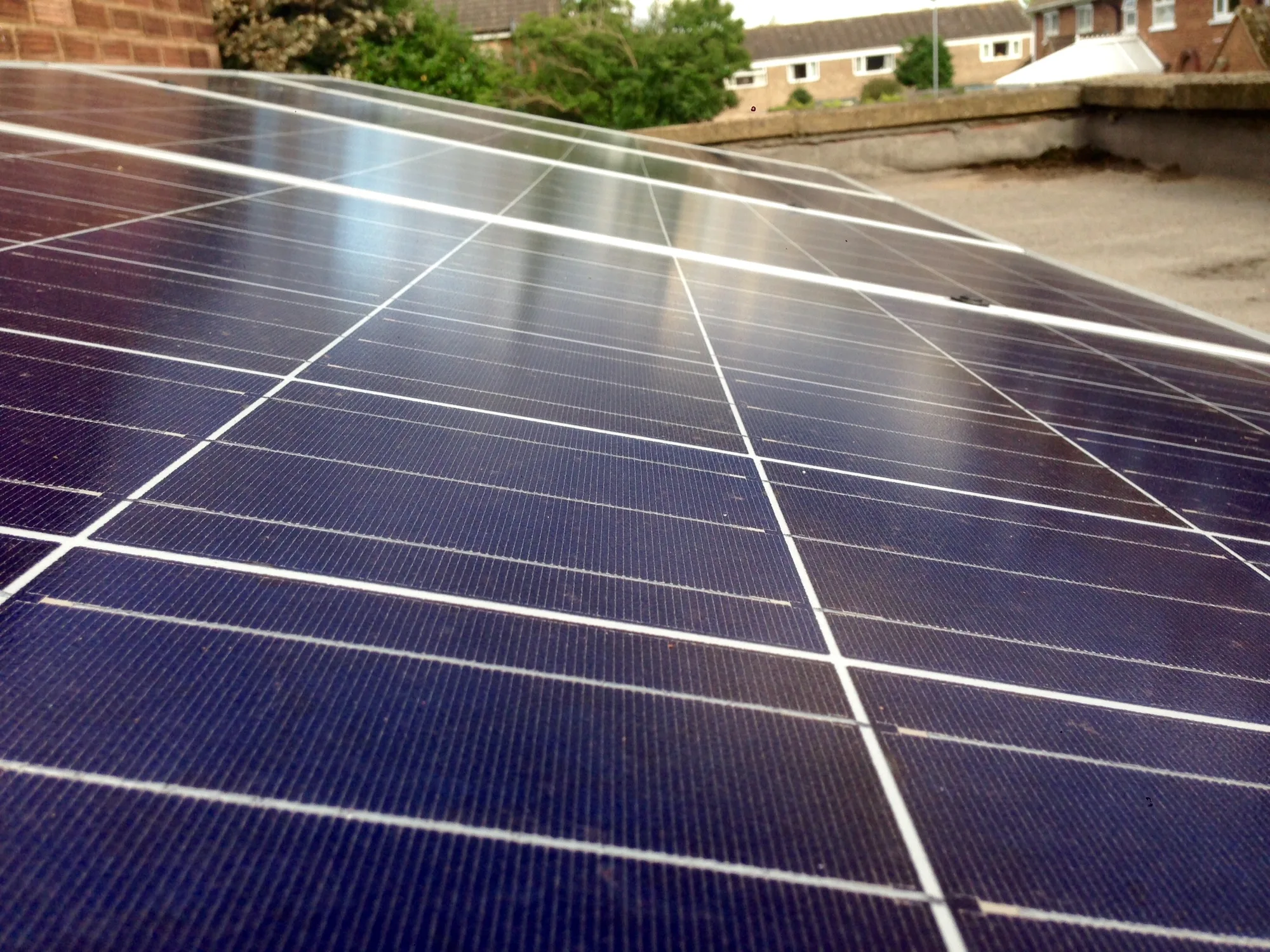
The simple way to think about payback is to divide the installed cost by your expected annual saving. A household saving towards the top of the £500 to £1,200 or more range recovers the cost of a £5,500 system in well under a decade, and everything the system generates after that point is money in your pocket. With 25-year performance warranties on panels, the earning life of the system stretches far beyond the payback point.
Where you land in that range is exactly what a survey works out: your roof, your usage and your tariff, not a national average.
How to Get a Personalised Estimate
Online calculators are a reasonable starting point, but they cannot see your roof, your shading or your electricity bills. A free survey can. We visit your home, look at the roof and your consumption, and give you a personalised estimate of what a system would generate, what it would save and what it would cost. There is no charge and no obligation.
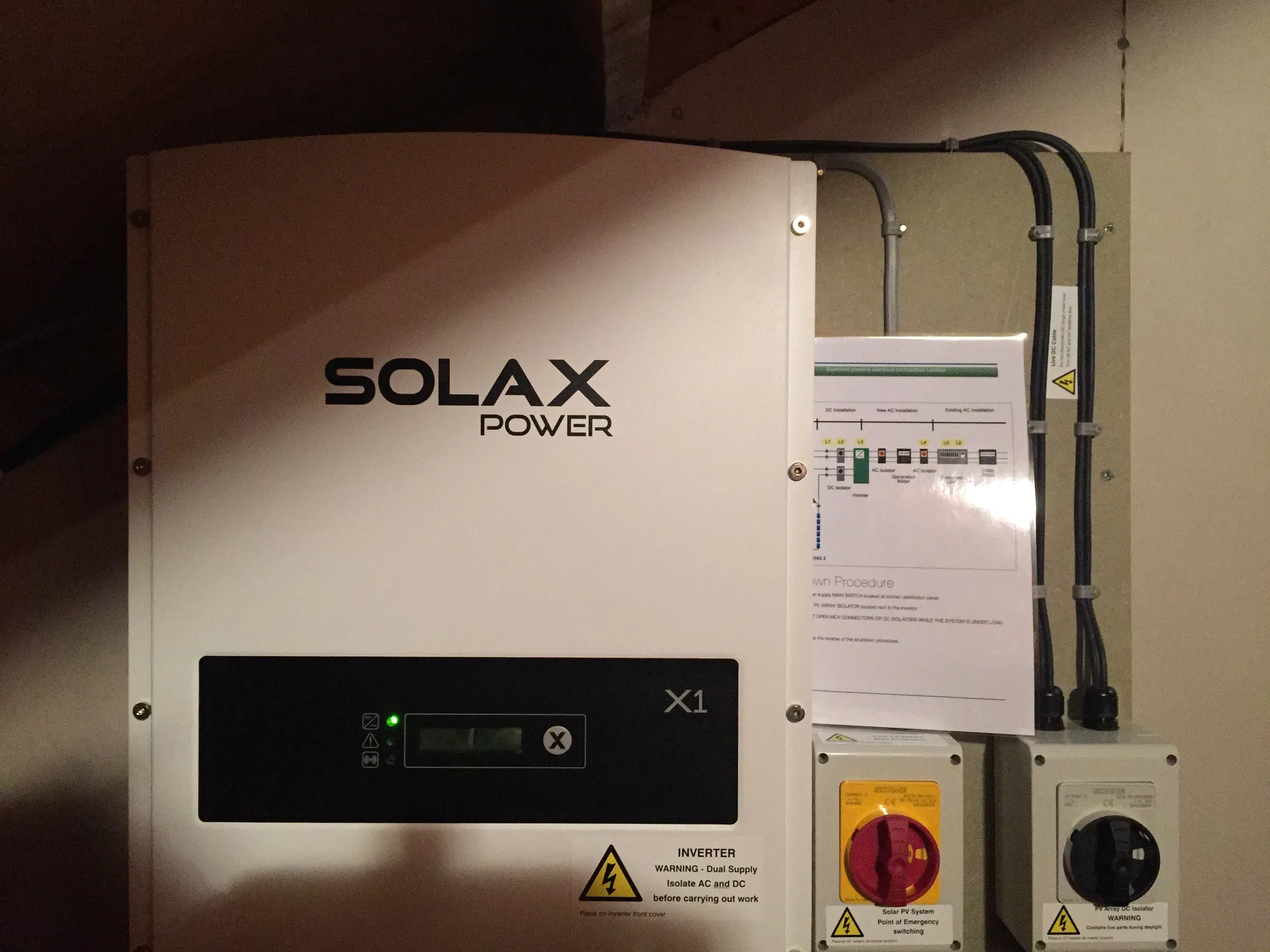
Every installation is carried out by qualified electricians, backed by our workmanship guarantee, with 25-year performance warranties on panels and 10 years or more on inverters.
Frequently Asked Questions
Most households save £500 to £1,200 or more per year depending on system size, usage and energy prices. With a battery, savings are often higher because you store and use more of your own power. We provide a free, personalised savings estimate so you know what your home would achieve before committing.
A standard 4kW home system typically ranges from £5,500 to £8,500 supplied and fitted. Larger systems or those with battery storage cost more. We offer transparent quotes with no hidden fees.
Most domestic installations in East Riding of Yorkshire and Lincolnshire are permitted development and do not require planning permission. We check this as part of our free consultation, so you know where you stand before any work is booked.
Usually 1 to 3 days for a standard system. We handle everything from scaffolding to electrical connection and testing, and every installation is carried out by qualified electricians.