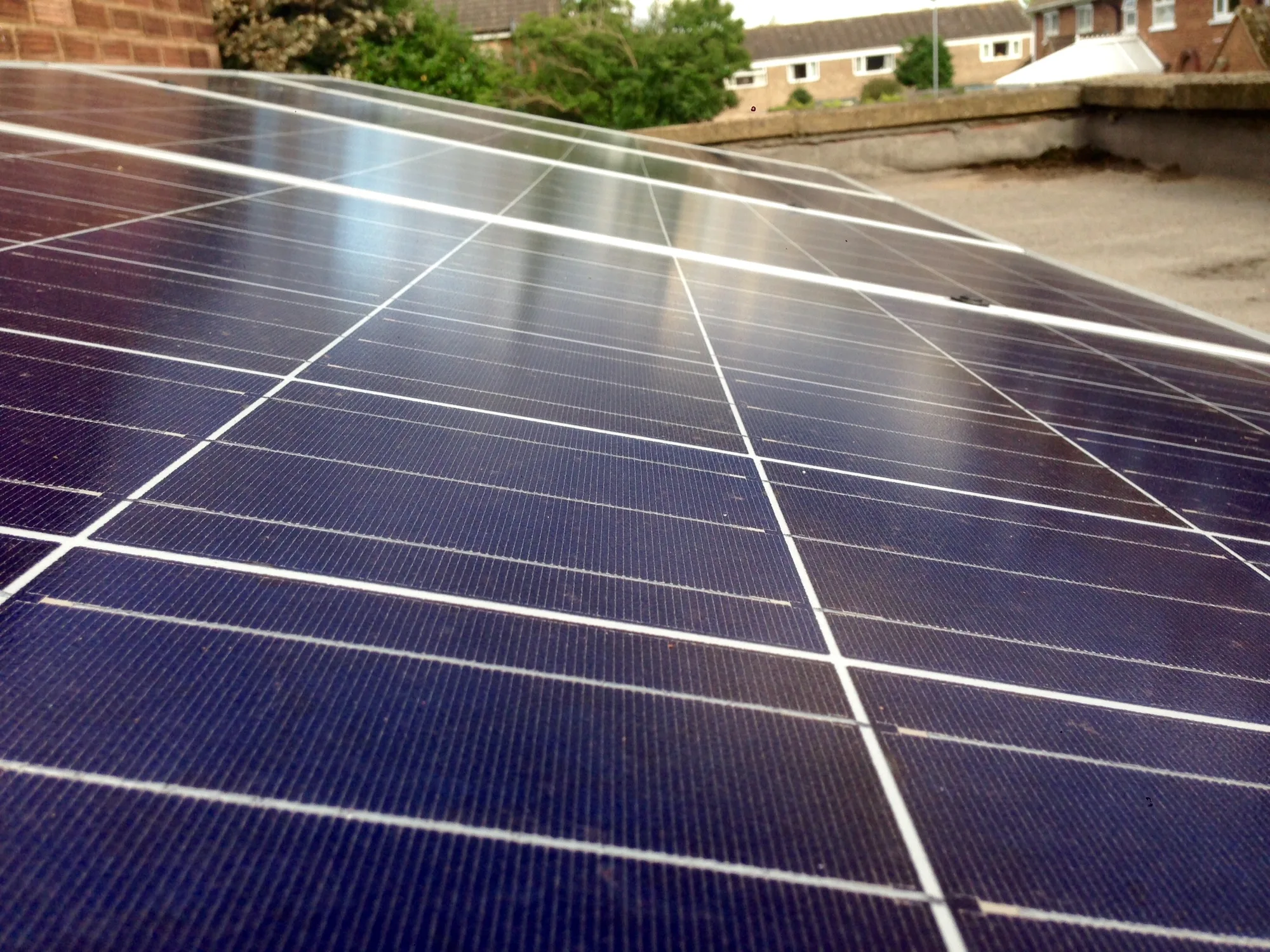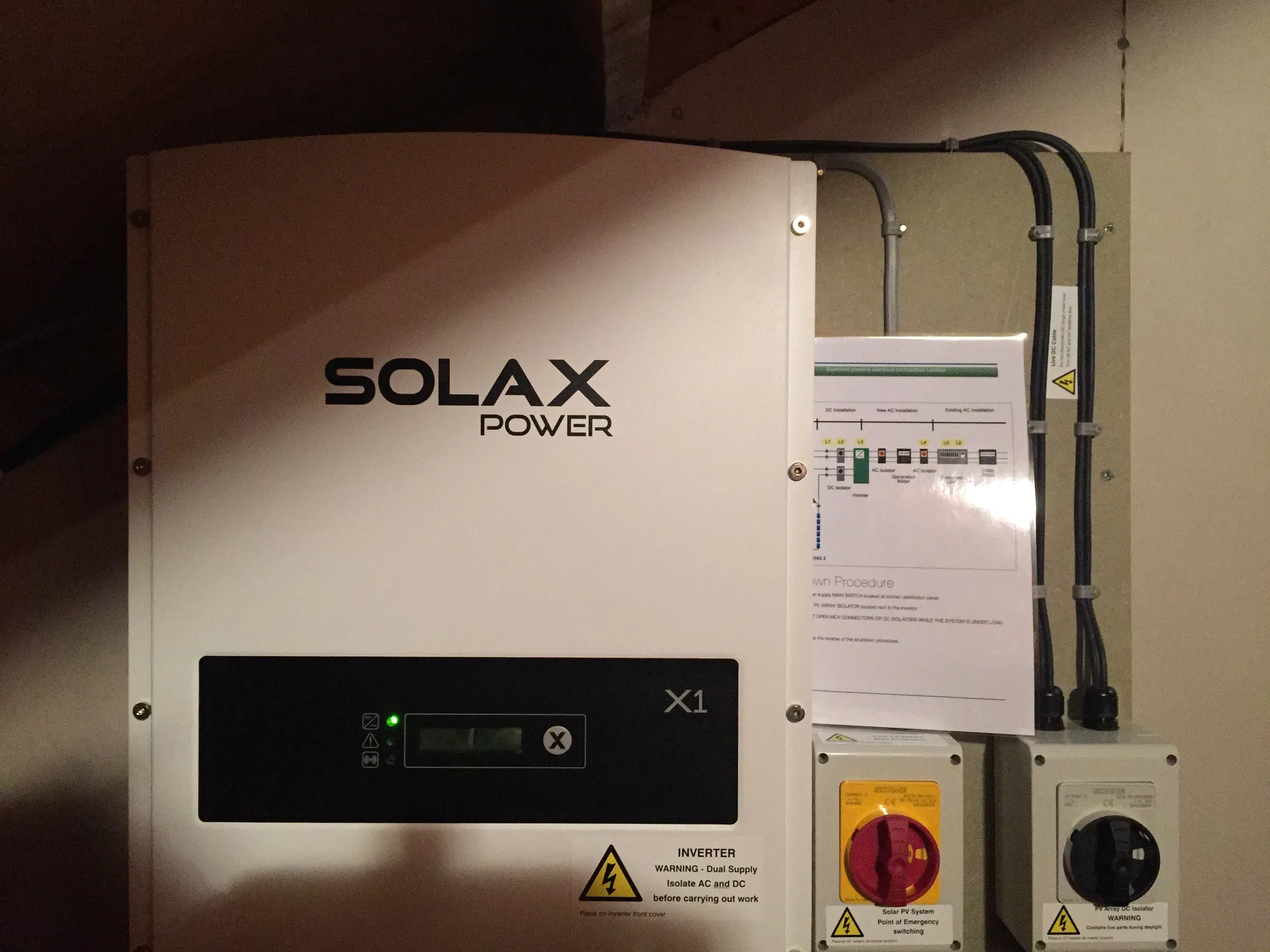
Battery storage lets you keep the solar power you generate during the day and use it in the evening, which typically raises the share of your own power you actually use from around a third to well over half. For most households it makes sense when sized correctly against real energy use.
Here is the awkward truth about solar panels on their own: they generate most of their power in the middle of the day, and most households use most of their electricity in the morning and evening. Without somewhere to put that daytime power, a large share of it flows out to the grid, and you buy your evening electricity back at full price. A home battery exists to close that gap, and whether it is worth adding comes down to how big that gap is in your house.
What a Home Battery Actually Does
The job is simple: store the electricity your panels generate during the day so you can use it in the evening. When the panels are producing more than the house is using, the surplus charges the battery instead of being exported. When the sun goes down and the kettle, oven and television come on, the house draws from the battery first and only falls back on the grid once the battery is empty.
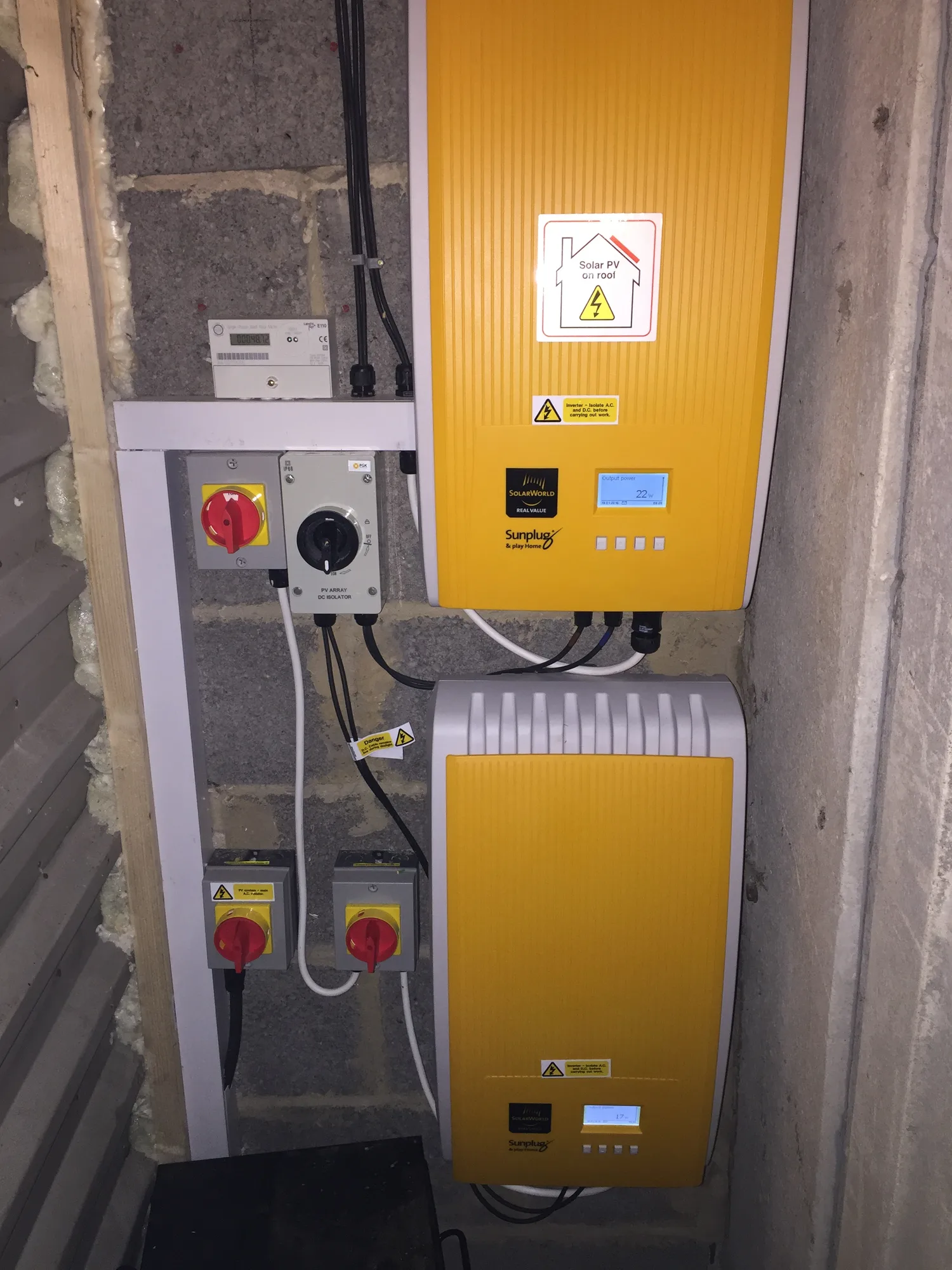
The battery sits in a wall-mounted or floor-standing unit, usually alongside the inverter in a garage, utility room or loft. It charges and discharges automatically. There is nothing to switch or manage day to day, and you can watch the whole cycle happening live in the monitoring app.
Self-Consumption: The Number That Matters
Self-consumption is the share of your solar generation that you actually use in your own home rather than export. It is the single most useful number for judging whether a battery earns its keep.
A typical household without a battery, out at work during the day, uses around a third of what its panels generate. Add a correctly sized battery and that share rises to well over half, because the daytime surplus is caught and used in the evening instead of exported. Every unit that moves from "exported" to "used at home" is worth the difference between the export rate you would have been paid and the full price you would have paid your supplier, and that difference is what pays for the battery.
You still get paid for genuine surplus through the Smart Export Guarantee. A battery does not switch that off; it just makes sure the grid only gets the power you truly cannot use.
Not Sure If a Battery Is Right for Your Home?
Call Current Contractors Renewables on 07805 403775. We provide free surveys and honest advice on solar and battery storage across East Yorkshire and Lincolnshire.
Call for a Free QuoteWhen a Battery Makes Sense
A battery is not automatically the right call for every home. It adds to the upfront cost, so it needs a real evening gap to fill. As a rule of thumb, a battery makes the strongest case when:
- The house is empty during the day: Working households export the most and gain the most from storing that power for the evening.
- Your evening and overnight use is high: The more electricity you use after dark, the more stored units you can put to work.
- Your export rate is low compared with your import price: The bigger the gap between what you are paid to export and what you pay to import, the more each stored unit is worth.
- You want to make the most of a new installation: Fitting the battery at the same time as the panels means one installation, one visit and a system designed as a whole.
On the other hand, if someone is home all day running appliances while the panels generate, your self-consumption may already be high without storage, and the honest advice might be that panels alone serve you well. That is exactly the kind of thing a free survey settles before you commit.
Sizing a Battery Against Real Usage
Bigger is not better. An oversized battery ties up money in capacity you never fill or never empty, and an undersized one leaves savings on the table. The right size is worked out from your real numbers:
- Your annual and evening electricity use: Taken from your bills and smart meter data, not guesswork.
- Your solar system's output: The battery should be matched to the surplus your panels will actually produce, which depends on system size, roof orientation and shading.
- Your daily rhythm: A household that cooks at six and runs the washing machine in the evening needs different capacity from one that is quiet until nine.
This is why we size batteries as part of the survey rather than selling a standard box. The aim is a battery that fills most days and empties most evenings, because that is the battery working hardest for its cost.
Warranties and Monitoring
A solar and battery system is a long-term purchase, and the warranty picture reflects that. Panels typically carry 25-year performance warranties, inverters come with 10 years or more, and every installation we carry out is backed by our workmanship guarantee and completed by qualified electricians.
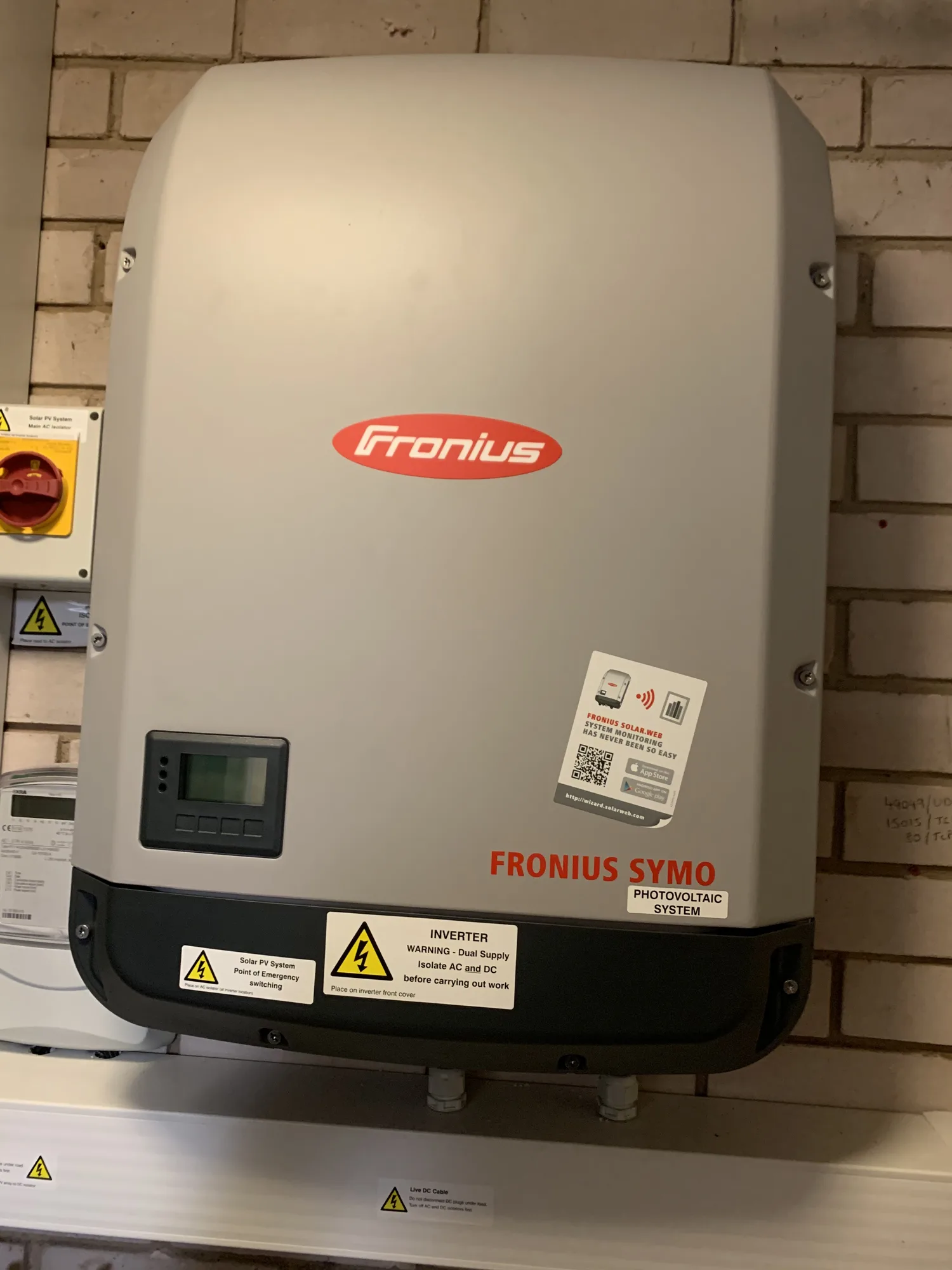
Modern systems also come with a monitoring app, so you can see generation, battery charge and household use from your phone in real time. It is genuinely useful rather than a gimmick: you can watch the battery charging through the day and running the house in the evening, spot unusual usage, and see exactly what the system is doing for you month by month. Maintenance is minimal, and we advise an optional annual check to keep everything performing at its best.
Frequently Asked Questions
In most cases, yes. Batteries can usually be retrofitted to an existing solar installation, though the right approach depends on your current inverter and setup. A free survey will confirm what your system needs and what it would cost.
It depends on how much of your solar generation currently goes unused. Most households save £500 to £1,200 or more per year from solar, and with a battery savings are often higher because you store and use more of your own power. We provide a free, personalised estimate comparing the numbers with and without storage.
Very little. The system manages charging and discharging automatically, and the monitoring app lets you keep an eye on performance yourself. We advise an optional annual check as part of looking after the whole installation.
Usually 1 to 3 days for a standard system, including the battery. We handle everything from scaffolding to electrical connection and testing, and all work is carried out by qualified electricians.